Leave Your Message

Blog

What Is a PTC Heating Element and How Does It Work?

What Is a PTC Heating Element and How Does It Work?

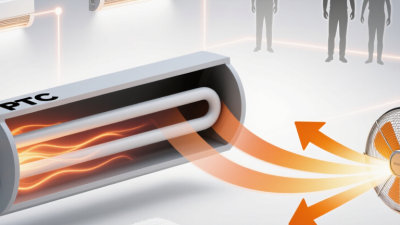
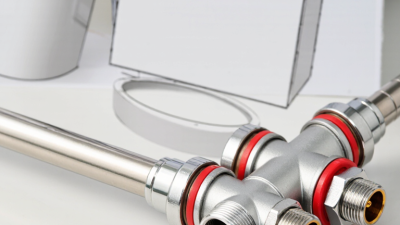
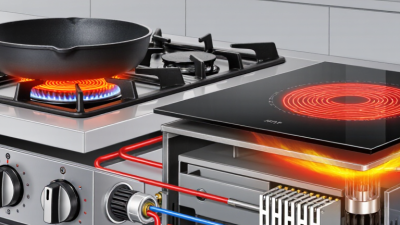
So, a Ptc Heating Element is basically a ceramic heater with a positive temperature coefficient. Here's the neat part: as it warms up, its electrical resistance increases, which means less current flows and it naturally slows down its own heating. That behavior is what folks call self-regulating. Sounds kind of magical, doesn't it? Well, it's useful—but it's not a miracle worker. It won't automatically guarantee safe temperatures in every single device on its own. The way it acts? Well, that depends on a bunch of stuff—its design, the electrical supply, airflow, and whatever materials are nearby. If you've ever wondered how cars, air curtains, and compact appliances stay warm, PTC heaters are actually pretty common. Inside the unit, there's a ceramic element that heats up the air flowing over it—or whatever happens to be nearby. A fan then helps push that warmth into a small room or enclosed space. But here's the thing: if the airflow gets blocked, heat can start building up around the heater. That might not sound like a big deal, but it really matters. So designers still have to pay close attention to insulation, wiring, temperature limits, and protective controls to make sure everything stays safe. Okay, so a PTC element can definitely help with certain overheating risks—don't get me wrong. But it's not a magic fix. You still need solid engineering and real product testing. The thing is, performance differs a lot from one model to another. That label on the box? It doesn't really tell you how it'll perform in the real world. So what should you do? Look up the rated voltage, wattage, operating conditions, and safety info for the exact product you're considering. Yeah, these checks can be a bit tedious. But honestly, they're worth it. In this guide, we'll break down how the element works, what actually affects its performance, and where its limits might make you want to pause and look closer.
Read more »
Sophie By:Sophie - November 9, 2026
Best Egg Boiler Heating Plate Supplier in China?

Best Egg Boiler Heating Plate Supplier in China?

Picking a supplier for Egg Boilers Heating Plate in China? Honestly, it’s about more than just comparing unit prices. You’ve got to dig into the plate material, how evenly it heats, thermostat control, corrosion resistance—stuff like that. And don’t forget production traceability. A sample only tells part of the story. Batch records? They tell you a lot more. So Grand View Research put the global small kitchen appliance market at around $109.2 billion in 2023, and they’re projecting roughly 4.6% annual growth from 2024 to 2030. Now, that big number isn’t just about egg boilers or heating plates—it covers the whole category. But still, it does show why dependable component sourcing is becoming more important as production ramps up. For buyers, the real questions are a lot more specific: does the supplier actually document material grades? Are they willing to share temperature-rise and cycle-test results? Okay, so are dimensions consistent across repeat orders? I think there’s a useful way to look at this. Dieter Rams, the industrial designer, once said that “good design is as little design as possible.” That’s not really about heating performance specs, but it’s a good reminder for buyers: keep it simple, make sure it’s serviceable, and don’t get distracted by extra features. For a heating plate specifically, you want it to warm evenly, sit securely, and be easy to inspect. And honestly, the small stuff matters more than you’d think. A loose connection or a slightly uneven surface can turn into avoidable quality headaches down the line. So here’s the thing: this guide is basically about comparing suppliers—their capabilities, how they verify things, customization options, and how they communicate. But there’s a catch. Public data rarely zooms in on the Egg Boilers Heating Plate supply chain specifically. That means you can’t just take supplier claims at face value. You’ve got to do some real checking. Sure, a thorough sample review takes extra time, but honestly? It’s usually worth it.
Read more »
Liam By:Liam - November 4, 2026
Top 10 Heating Element Manufacturers for Global Buyers

Top 10 Heating Element Manufacturers for Global Buyers

Picking the right heating element manufacturer isn't just about who's got the lowest price—far from it. If you're buying globally, you've got to think about a whole bunch of stuff: the quality of materials, how well it actually heats, whether they can keep the product consistent batch after batch, and even how they communicate with you once the shipment's on its way. You know, you might get a sample that heats up fast on your workbench, but then it performs totally differently when it's inside the finished appliance. Little things like that can make or break your product. So, to help you out, I've rounded up ten manufacturers that you should check out if you're serious about production capability, customization options, and experience with exports. To be honest, this isn't meant to be some ultimate ranking—just a practical starting point, you know? Different suppliers are built for different tasks. So a great fit for one project might be a total dud for another. Keep that in mind. So, if you're on the lookout for heating components, the companies listed here have got you covered. You'll find everything from aluminum heating tubes and electric kettle heaters to OEM options for those custom projects—plus fast heating tubes, water boiler elements, and a bunch of aluminum heating parts. When you're comparing, don't just glance at the specs—make sure to check dimensions, voltage, wattage, sheath materials, and connection methods against your own drawings. And hey, don't forget to ask how they ensure quality across different production batches. It's always a good idea to request some test records before you commit to anything. Better safe than sorry, right? You can't just take product descriptions at face value—you've gotta verify those certifications and claims yourself. I mean, a low quote can be tempting, sure, but watch out: it might not include tooling, inspection, or even packaging requirements. And honestly, no matter how much research you do, there are always limits. Specs can change, and you really should confirm everything with the supplier before you commit. So use this overview to build your shortlist, then have a real conversation with each manufacturer about your actual operating conditions. That's where the rubber meets the road.
Read more »
Ethan By:Ethan - November 1, 2026
China Top Smart Toilet Heating Tube Suppliers?

China Top Smart Toilet Heating Tube Suppliers?

Well, China's really become the hub for manufacturing smart bathroom components, you know? Their suppliers work with all kinds of clients – OEM brands, distributors, even complete toilet manufacturers across the globe. But honestly, 'top' shouldn't just mean the biggest factory out there. A supplier you can rely on has to prove they've got stable heating performance, safe insulation, accurate temperature control, and that they can keep production quality consistent. That's the real deal. So, this intro? It's basically about how to actually size up a Smart Toilet Heating Tube supplier in China. Not gonna lie, I've seen too many folks just get dazzled by flashy company profiles. But that's not really how you pick a good one. You gotta look at the real stuff – like quality, reliability, and whether they'll actually have your back. That's what we're diving into here. David Lin knows a thing or two about heating tubes—he's a thermal systems engineer who's worked in sanitary appliance manufacturing. He puts it like this: 'A heating tube might be tiny, but its safety margin can make or break the whole user experience.' And honestly, that's not just theory. When you're picking a supplier, you need clear specs: voltage, wattage, tube material, heating speed, waterproofing, and how long it's supposed to last. But specs aren't everything. You've got to visit the factory, maybe even audit them. Check that raw materials are traceable, ask about aging tests, thermal cycling records, and leak checks. All that stuff matters. Look, a fancy showroom is nice and all, but honestly, it doesn't tell you much. I mean, sure, companies like Zhejiang Jieda Technology, Ningbo Hesheng Electrical, and Foshan Mingshi – they might catch your eye with their customization options and their export track records. But that doesn't automatically mean they're the right fit for you. You really have to dig deeper. Ask for samples – don't be shy. Measure the surface temperature yourself. Check how the wiring is protected. And go through their quality documents and production capacity. It might feel like a hassle, but those small differences can end up being a big deal. Look, the selection process isn't perfect—nowhere near it, honestly. Supplier websites can easily hide the weak spots, and the test samples they send? Well, they might not even represent what you'll get in mass production. That's something you really gotta pay attention to. Instead of just taking their promises at face value, buyers should dig into the actual evidence—compare what you see, not what they claim. A reliable Smart Toilet Heating Tube partner? They combine solid engineering know-how, quick and clear communication, documented test results, and they're upfront about their limitations too. That kind of transparency goes a long way. It helps you end up with safer products, fewer headaches from returns, and a much smoother long-term working relationship.
Read more »
Sophie By:Sophie - October 28, 2026
Top 10 Cartridge Heater Manufacturers for Global Buyers

Top 10 Cartridge Heater Manufacturers for Global Buyers

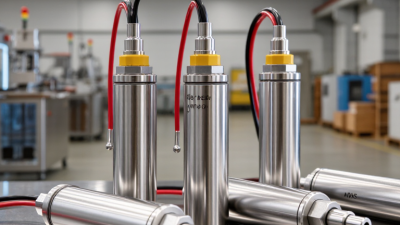
Finding a Cartridge Heater manufacturer you can actually rely on? It’s not usually just about comparing prices. Buyers have to match product specs with how things really run on site—operating conditions, installation constraints, and what kind of service support they expect. That’s the part that matters. So, this guide takes a look at ten well-established manufacturers — Watlow, Tempco Electric Heater Corporation, Backer Hotwatt, Chromalox, OMEGA Engineering, Durex Industries, Nexthermal, Vulcan Electric, Tutco-Farnam, and Ihne & Tesch. They each work with different industries, applications, and regional markets, so it's not exactly a one-size-fits-all group. Some stand out for custom sizing, fast delivery, high-temp designs, or really solid engineering support. Sure, a strong catalog definitely helps. But honestly? It doesn't guarantee you'll find a heater that's actually right for your setup. When you're actually picking a heater, the practical details really matter. You'll want to compare voltage, wattage, diameter, heated length, sheath material, how the leads are made, and watt density. Take a 230-volt heater in an aluminum mold—it may need to behave differently than one used in packaging equipment. And making sure it fits? That's essential. Even tiny dimensional mistakes can lead to poor heat transfer or early failure. Also, it’s worth paying attention to stuff like supplier testing, insulation resistance data, dimensional tolerances, and production traceability. And don’t forget certifications — they need to match the destination market as well as the equipment’s requirements. Honestly, some manufacturers are just better at spelling out the technical stuff than others. And that gap? It can definitely change how much project risk you're taking on. Datasheets don't always tell the whole story—especially around things like thermal cycling, moisture exposure, or how durable the leads really are. So before you commit to bigger orders, it's smart to ask for drawings, samples, and some application guidance. That's why this ranking is more of a starting point than a final answer. The right supplier really depends on your equipment, where you're located, how much you're buying, and what kind of support you need. There's no one-size-fits-all winner.
Read more »
Ethan By:Ethan - October 24, 2026
2026 Best Electric Heating Element Types for Global Buyers

2026 Best Electric Heating Element Types for Global Buyers

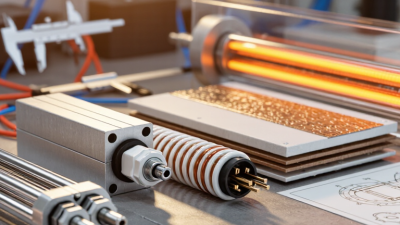
Choosing the right Electric Heating Element in 2026 requires more than comparing wattage and price. Global buyers must examine heat distribution, operating temperature, insulation, corrosion resistance, and expected service life. A heating element inside a compact oven faces different demands from one beneath a commercial griddle. Details matter. This guide reviews common types, including tubular, cartridge, ceramic, mica, infrared, and etched-foil elements. It considers practical experience from appliance assembly, replacement maintenance, and OEM sourcing. Product drawings, material certificates, test reports, and sample inspections can reveal risks that catalog photos hide. A bright metal surface does not always mean reliable performance. That assumption deserves caution. Buyers serving different regions should also confirm voltage, frequency, connector design, mounting space, and thermal protection. Local installation practices may expose weaknesses during real use. For specialized cookware, the search may include custom stainless steel heating plate for electric frying pan | OEM heating plate for frying pan cookware | customized heating element for electric skillet. These solutions can improve fit, but customization increases communication and testing requirements. Engineers should confirm heating zones, plate flatness, temperature control, and safety margins before mass production. No single type is best for every application. Cost can mislead. A cheaper element may create uneven cooking, premature failure, or difficult replacement. This overview aims to support informed decisions through technical comparison, supplier verification, and realistic application analysis. Some recommendations may still require revision after prototype testing. That is normal. Reliable sourcing begins with evidence, not confident promises.
Read more »
Ethan By:Ethan - October 20, 2026
China Top Electric Tube Heater Suppliers for Global Buyers

China Top Electric Tube Heater Suppliers for Global Buyers

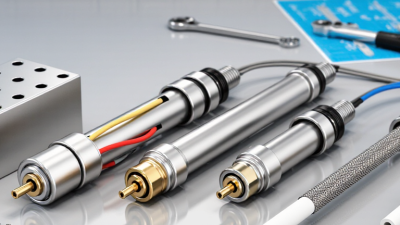
China has grown into a go-to sourcing hub for electric tube heaters—the kind used in kettles, boilers, dispensers, and compact water systems. If you're buying globally, you're probably looking for steady output, engineers who actually respond, and export support you can count on. And honestly? The right supplier has to offer more than just a cheap quote. Material traceability really matters. This guide is here to introduce experienced Chinese manufacturers that work with international equipment brands. It looks at aluminum heating tube construction, electrical insulation, thermal efficiency, and how long these parts tend to last. You might compare an aluminum heating tube with an electric kettle heater if your design handles water contact differently. Other terms worth knowing: aluminum heater element, OEM kettle heater, fast heating tube, and water boiler heating element. With these components, you have to pay close attention to wattage, resistance tolerance, sealing quality, and temperature control. A reliable aluminum heating part supplier should be able to explain all of that without dodging the details. Real sourcing rarely feels perfect. Samples can pass lab checks and then act totally different inside a finished appliance. That's exactly why pilot testing still matters. Ask for inspection records, production photos, material reports, and references from repeat orders. Check whether the supplier can handle customized terminals, flange dimensions, voltage, and packaging. Independent testing can give you extra confidence, especially if you're buying in high volumes. Certifications need to match the destination market and the product application. Communication quality says a lot about how mature their operations are, too. Some suppliers promise fast delivery way too easily—so double-check their production capacity. The overview below is meant to help global buyers compare Chinese suppliers through practical experience, technical knowledge, manufacturing credibility, and transparent verification. It's about usable evidence, not flashy claims. That mindset helps you avoid some very avoidable purchasing risks.
Read more »
Ethan By:Ethan - October 16, 2026
China Top Electric Iron Heating Element Manufacturer?

China Top Electric Iron Heating Element Manufacturer?

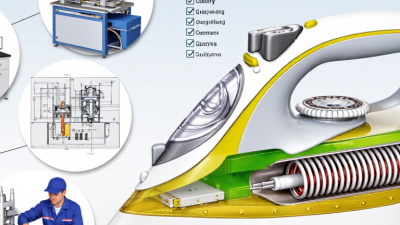
Picking a reliable top Electric Iron Heating Element manufacturer in China? It’s not just about who offers the lowest price. What really matters is how fast it heats, how steady the temperature stays, how well it’s insulated, and how long it lasts. And honestly, those things show up in real production—not in a glossy brochure. A manufacturer with actual experience will know their way around resistance wire design, mica insulation, stamping accuracy, and automated assembly. The heating element needs to spread heat evenly across the soleplate, and it should keep performing consistently through repeated heating cycles. Quality teams usually check resistance values, leakage current, surface temperature, and connection strength. Factory experience? Yeah, it matters. Clear technical communication is just as important. A dependable supplier should be able to share drawings, material specs, sample reports, and traceable production records. Certifications can help build trust, but they shouldn’t replace independent testing. Ask about tooling control, batch inspection, packaging, and how they handle after-sales issues. No supplier is perfect. That’s just reality. Even well-established factories can run into delays, material changes, or uneven batches. A careful buyer should look into these risks before placing a big order. Factory visits, sample testing, and third-party inspections can catch problems early. They also give you a more honest picture of what a factory can actually do. This guide looks at how to evaluate a China-based Electric Iron Heating Element manufacturer using practical and technical evidence. It covers product quality, engineering support, customization, production capacity, and long-term reliability. The strongest supplier isn’t always the biggest one. It’s the one that documents its process, answers clearly, and actually improves when weaknesses show up.
Read more »
Ethan By:Ethan - October 11, 2026
China Best Smart Toilet Heating Tube Supplier?

China Best Smart Toilet Heating Tube Supplier?

Picking the best supplier in China isn’t just about comparing prices or pretty product photos. You need a manufacturer who actually gets bathroom electronics, ceramic heating surfaces, and what long-term moisture exposure does to a product. The Smart Toilet Heating Tube is a tiny part, but it still plays a big role in seat comfort, energy use, and safety. A good supplier should be able to walk you through heating wire materials, insulation layers, resistance tolerance, and temperature control methods without hiding behind vague sales talk. Look for production records you can actually check, traceable raw materials, and real testing procedures. Ask if each tube gets resistance testing, insulation testing, and repeated heating-cycle checks. Stainless steel protection, stable connectors, and consistent dimensions also matter when it’s time to assemble. And before mass production? A professional supplier should send samples. The sample should fit your toilet model without you having to force it into place. Details matter. That part is true. Certifications help build trust, sure, but they should be verified for your target market. ISO 9001 can show process discipline, while relevant electrical and material compliance documents can make a supplier look more credible. Still, paperwork alone doesn’t prove how something performs in the field. Ask for inspection reports, batch numbers, packaging photos, and clear warranty terms. Communication is another good test. A dependable China supplier answers technical questions directly and admits when something needs to be reviewed. No supplier is perfect. Even an experienced factory may need time to improve a connector, coating, or delivery plan. That kind of honest weakness can actually show you how the team handles corrective action. In this guide, we look at supplier experience, product engineering, quality control, customization ability, and after-sales support. The goal isn’t to name a company without evidence. It’s to find a Smart Toilet Heating Tube partner that can perform consistently, from sample approval all the way to regular production.
Read more »
Sophie By:Sophie - October 7, 2026
China Top Cartridge Heater Manufacturers for Global Buyers?

China Top Cartridge Heater Manufacturers for Global Buyers?

Picking out China's top Cartridge Heater manufacturers isn’t just about comparing prices or glancing at fancy factory photos. Honestly, buyers really need solid proof that these heaters perform consistently, fit the right dimensions, have safe insulation, and can be delivered reliably. A good supplier should be upfront about details like watt density, operating temperatures, lead configurations, sheath materials, and tolerance ranges—those little specs really matter. It's the details that make all the difference. In this piece, I’m diving into manufacturers that serve various industrial heating needs—whether it’s molding machines, packaging lines, medical gadgets, lab tools, or food processing setups. When you’re scouting, look beyond just experience and capacity—check their quality control procedures, how well they handle customization, and whether they support export requirements. Things like ISO 9001 certification, material certificates, electrical test reports, and inspection data that can be traced back to them are key. Depending on where you’re planning to sell or use the equipment, certifications like CE or RoHS might come into play too. But let's be real—certifications alone don’t tell the whole story. A trustworthy manufacturer will usually offer samples before jumping into full production and should be able to explain how each Cartridge Heater is tested. Whether that’s resistance checks, insulation tests, dimensional inspections, or burn-in processes—those steps help spot quality differences early on. And speaking of the human side, good communication is crucial. It’s super helpful if they provide clear drawings, realistic timeframes, secure packaging, and quick after-sales support. Let’s not forget—fitting your needs and consistent quality is what it’s all about. Remember, the “top” supplier isn’t always the biggest factory or the cheapest price tag. What really matters is whether they match your voltage, power, size, environment, and compliance needs. Sometimes, websites might give you a broad overview but lack detailed testing data, which is a red flag. So, it’s smart to verify their factory records, ask for recent samples, and compare their technical responses carefully before making a decision. Taking this approach helps you make a smarter, more informed choice—making sure you connect with dependable Chinese Cartridge Heater manufacturers who truly meet your requirements.
Read more »
Ethan By:Ethan - October 2, 2026
What Are the Top Dishwasher Heating Element Types?

What Are the Top Dishwasher Heating Element Types?

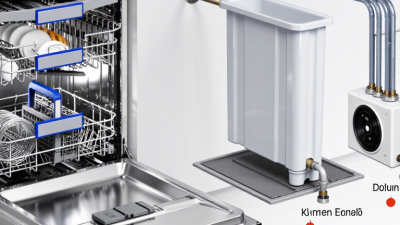
A dishwasher heating element does more than just heat up the water. Depending on your dishwasher's design, it can also help with drying the dishes. There are a few main types out there: exposed heating coils, concealed tub heaters, and inline flow-through heaters. Each kind works a bit differently, and just because you see a part doesn’t necessarily tell the full story about how it functions. For example, an exposed coil is usually positioned near the bottom of the dishwasher tub—you might notice it beneath the lower rack. Sometimes, spills or plastic pieces can land around it, making cleaning a bit more important. Then there’s the concealed heater, which is tucked away beneath the tub, making it easier to wipe down the interior. And an inline heater warms the water as it flows through a dedicated component—they typically help keep the water at the right temperature during the wash. But keep in mind, how these work and how easy they are to repair can differ quite a bit depending on the model. So, details really do matter. This guide will walk you through how each of these heater types functions, where you’re most likely to find them, and some practical pro's and con's. We’ll also touch on how the design of the heating system can influence drying performance, maintenance tasks, and troubleshooting efforts. Just because your dishwasher's interior feels warm doesn’t automatically mean the heating element is working perfectly. Factors like cycle settings, sensors, wiring, and water temperature all have a say in how well everything works. So, always check your user manual before poking around with parts—disconnected power should be a given before doing any work. It sounds obvious, but it’s surprisingly easy to forget. Plus, heater names can vary a lot depending on the manufacturer, so matching parts just by looks isn't always reliable. Understanding the way your dishwasher is built is a good starting point, but it’s not a full diagnosis on its own.
Read more »
Sophie By:Sophie - September 27, 2026
What Is a Portable Heat Plate and How Does It Work?

What Is a Portable Heat Plate and How Does It Work?

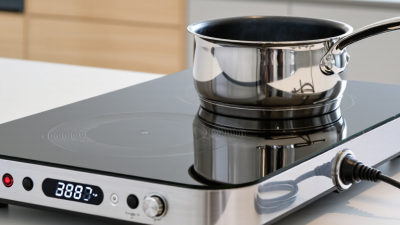
A portable heat plate is basically a compact little cooking gadget that's super handy if you don't want to fire up a full-sized stove. It might use electric resistance coils, ceramic elements, or even induction tech—whatever works best. Just put your pan on its flat surface, choose how hot you want it, and voilà—electricity turns into usable cooking heat. Some models are small enough to sit right next to your coffee maker, while others come with a protective case perfect for when you're on the go. This stuff's really catching on, especially with more folks living in smaller homes, setting up temporary kitchens, outdoor workspaces, or quick emergency meal stations. According to a report from Grand View Research, portability, energy control, and saving space are pretty big selling points right now. The folks over at the U.S. Department of Energy also point out that induction cooking is becoming popular because it heats pans directly and might be more efficient—though, of course, everything depends on your cookware, ventilation, and how steady your electricity is. But let’s be real—reliability is key here. Dr. Michael Pecht, a well-known expert in product reliability, once said, “Reliability is designed in, not inspected in.” That’s something to keep in mind, especially with these little heat plates that have hot surfaces, temperature sensors, and tight wiring. A well-designed model should heat evenly and shut off safely if it gets too hot. Here’s the thing: the word “portable” isn’t always cut and dry. Sometimes it just means lightweight, sometimes foldable, or just smaller than a built-in unit. That’s an important distinction. In this guide, I’ll cover stuff like the different heating methods, how much power they use, how precise the temperature control is, safety features, what kinds of cookware work best, and some practical limitations. For example, a plate that boils water FAST might still cook unevenly, and a cheaper model might not last as long. So, a bit of careful comparison is definitely worth it to find the right fit.
Read more »
Liam By:Liam - September 22, 2026
What Is an Electric Stove Heating Element?

What Is an Electric Stove Heating Element?

So, you’re wondering, what exactly is an electric stove heating element? Honestly, it sounds pretty straightforward, but the truth is, explaining it involves a mix of electricity, resistance, heat transfer, and some kitchen safety tips. Basically, this part is what turns electricity into the heat you use to cook your meals. On coil stovetops, you see it glowing beneath the pan, and on smooth-top models, it heats up underneath the ceramic glass surface. John Drengenberg from UL Solutions, who's pretty much the safety guru of consumer electronics, says, “The best way to prevent cooking fires is to stay in the kitchen when you're cooking.” That’s simple advice, but it hits a point — good heating performance isn’t just about the element itself, it’s also about using the right cookware, placing everything carefully, and paying attention to what you’re doing. Manufacturers like GE, Whirlpool, and Bosch design these elements with different wattages, temperature controls, and surface layouts, so there’s a lot of variety out there. In this article, I’ll walk you through how resistance wires generate heat, how thermostats keep things in check temperature-wise, and why sometimes, the elements cycle on and off. We’ll also chat about common signs of trouble—like uneven heating, delays, visible damage, or a burner that refuses to heat up at all. Sometimes, small details can make a big difference. And hey, don’t jump to conclusions—just because you see a dark spot doesn’t automatically mean your element is dead. Sometimes, it’s normal. From experience, one of the biggest mistakes folks make when troubleshooting is blaming the element right away, without checking the terminal connections or control switch first. That can seriously waste your time and, worse, create safety risks. A qualified technician should take a look at wiring, insulation, and voltage safely. Plus, always follow the manufacturer’s instructions because designs vary a lot between models. This guide aims to give you straightforward technical info, practical tips for maintenance, and a bit of judgment—because even a basic heating element deserves some respect.
Read more »
Ethan By:Ethan - September 19, 2026
How to Choose the Right Electric Tube Heater?

How to Choose the Right Electric Tube Heater?

Picking the right electric tube heater isn't just about flipping through a catalog or looking at pretty pictures. It really starts with understanding what you actually need—like the specific application. For example, a heater used for a countertop kettle has totally different demands compared to one in an industrial water system. Things like wattage, voltage, tube size, how and where you'll mount it, and what materials contact the fluid all need to mesh well. Even tiny mismatches can lead to slow heating, uneven temperatures, or worse—early breakdowns. When you're evaluating options, it’s worth taking a close look at the aluminum heating tube, the insulation, how it's sealed, and how the terminals are designed. For kettles, especially, you want a heater that heats efficiently and stays stable even after multiple boiling cycles. Aluminum elements tend to heat up quickly and resist corrosion pretty well—great perks—but you should still check what alloy they're made of and how they’re finished. If you’re buying OEM kettle heaters, don’t just believe the specs; ask for detailed drawings, samples, and clear tolerance info. Relying solely on marketing claims isn’t a good idea. Performance is key, but so is consistency. A heater that heats up fast obviously saves time, but cranking up the power too much can stress the wiring or create hot spots that mess things up. The right heating element should match the size of your container, your control system, and how often you'll be using it. When shopping, ask the supplier about things like temperature testing, leakage checks, insulation resistance, and how they trace their materials through production. And before you make a final decision, double-check that the product meets relevant standards in your market. Honestly, there’s rarely a one-size-fits-all perfect heater. Sometimes a cheaper option might seem tempting—but remember, replacing it down the line can quickly add up and wipe out any savings. One detail that often gets overlooked: if the installation isn’t done carefully, the pressure might distort the tube and shorten its lifespan. Comparing tested samples, looking at detailed material info, and listening to feedback from the field can help you make a more reliable choice. It’s not about rushing into something—careful selection takes patience. It’s repeatable, measurable stuff, and yeah, it might be slower than you'd like, but it’s worth it in the end.
Read more »
Liam By:Liam - September 16, 2026
10 Best Electric Heating Elements for Industrial Use

10 Best Electric Heating Elements for Industrial Use

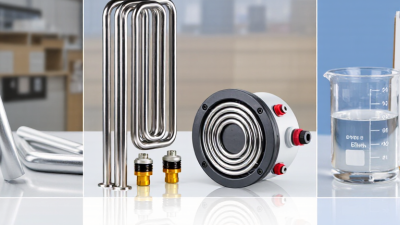
When it comes to industrial heating, it's not just about cranking up the wattage. A dependable electric heating element needs to keep temperatures steady, transfer energy efficiently, and last through lots of use, even under tough conditions. Whether you're working inside a stainless steel processing tank, a bakery oven, or a commercial fryer, little design choices can really impact the quality of your production, how much maintenance you’ll need, and the safety of the operators too. You know, James Prescott Joule was really onto something when he laid down the basics of electrical heating. He famously said, “The heat produced by an electric current is proportional to the resistance and the square of the current.” That idea still guides engineers today—they’re always balancing resistance wire, voltage, wattage, and how much surface loading is needed. Companies like Watlow, Chromalox, and Tempco Electric Heater are using these core principles across a wide range of industrial equipment. In this guide, I’ll walk you through ten solid options for industrial heating elements. We’ll cover stuff like sheath materials, operating temps, resistance to moisture, how quickly they respond, and what’s involved in installing them. For example, tubular elements are perfect for ovens and tanks, while cartridge heaters are handy for smaller molds and tooling. Immersion heaters are great when you’re working with liquids in controlled systems. And if you’re after fast, targeted heating, ceramic or infrared options might be the way to go. But here’s the thing—real-world conditions matter a lot. A heater that’s working in oil is gonna act differently than one in clean air. And if your calibration is even slightly off, you can get hot spots—hot spots that can cause problems even if the heater seems powerful enough on paper. It’s a detail that’s easy to overlook but can make a big difference. Oh, and by the way, the custom stainless steel heating plate for electric frying pan... concept is becoming more common. People are needing more tailored solutions for their specific applications. But keep in mind, customizing isn’t everything; you still need to check dimensions, insulation, how it handles thermal cycles, electrical protections, and cleaning routines before you actually go into production. This guide offers some practical direction, but every setup really should be tested thoroughly beforehand.
Read more »
Ethan By:Ethan - September 11, 2026